Robocat games: how the catalogue is laid out
A casino catalogue can look like an endless wall of tiles. It becomes manageable once you sort it by one question: can I try this game for free, or does it need real money from the first round? Slots and most software table games can usually be opened in demo. Live dealer tables cannot. The eight games featured below all belong to the second group — they are live tables streamed from a studio — and each has its own page explaining the rules, the sensible first bets and what to look for before you sit down.







Game categories
Live roulette
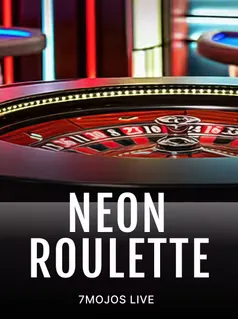
Hindi Roulette, Namaste Roulette and Neon Roulette are three presentations of the same idea: a single-zero wheel spun by a dealer on camera. Two are hosted in Hindi, one wraps the wheel in a neon studio. The betting grid is identical, so what you learn at one carries over to the others.
Indian card games
One Day Teen Patti and Ultimate Andar Bahar bring two well-known card duels to a live studio. The base rules take a minute to learn; side bets add variety and usually a bigger house edge, which is worth knowing before you touch them.
Baccarat and blackjack
Baccarat Diamond Hall and Sexy Hall Baccarat C05 deal the classic shoe game with different studio styles, while Speed VIP Blackjack D Live is a faster-paced blackjack table. Speed formats cut the pause between rounds, which also means more decisions per hour — and more money in play per hour.
Slots and other formats
Slots make up the largest shelf in most lobbies and have their own slots guide, where demo play is the starting point. Jackpot titles and quick-fire formats sit in separate sections.
Demo first, real money second
The sensible route through any catalogue starts in demo wherever demo exists. Ten minutes of free spins tell you how a slot's bonus round triggers, how long the dry spells feel and whether the game's pace suits you. What demo cannot tell you is how you will react when the balance is your own. Before switching, decide a session budget and a stopping time, and divide the budget into enough stakes that a quiet run does not end the session in five minutes. For live tables, where demo does not exist, watching a few rounds without betting does the same job.
It also helps to keep notes. A line or two per game — "pays often, small", "long quiet spells", "bonus round rare but long" — turns a vague catalogue into a short list of games that suit your time and budget.
Fairness: what you can read yourself
Games are made by studios, not by the casino. Software games use a random number generator; live tables use physical wheels and cards. The studio publishes rules and, for many titles, the return setting, and the game's own info panel shows what is running at that casino. Some studios offer the same slot with several return settings, which is why we never copy a number from elsewhere: open the panel and read the figure that applies to you.
How the featured formats differ
Hosted-language tables change the presentation, not the odds: the bet buttons, results and history work the same whatever the dealer speaks. Speed variants shorten rounds and therefore increase the number of bets per hour. On blackjack tables, a Bet Behind option — where offered — lets you stake on a seated player's hand when every seat is taken. None of these tables has a demo, so read the rules panel and watch a few rounds first.
What the game catalogue is made of
Broken down by format, a casino catalogue usually contains slots (the largest group), live dealer games, software table games, jackpot titles and a few specialist formats. Each group answers a different need: slots for short sessions with adjustable stakes, live tables for a real-time social feel, software tables for learning rules at your own pace.
For a slot player the most useful filters are feature-based: free spins, hold-and-win, cluster pays, bonus buy. Filtering by feature narrows hundreds of tiles to a dozen that behave in a way you already understand from demo play.
Game providers in the lobby
Each tile is supplied by a studio, and the studio name is normally shown on the tile or inside the game. Which studios the operator carries is its own choice and changes over time; the provider filter in the lobby is the reliable list, not any figure quoted on review sites.
FAQ
How is the Robocat game catalogue organised?
Do the live tables have a demo mode?
Where do I find a game's return and rules?
Is Robocat allowed where I live?
Slots, live casino, table games: Slots · Live casino · Table games. Jackpot and quick-fire formats sit in their own lobby sections.
Related guides
All guides in this section
- Baccarat Diamond Hall: live baccarat in plain words
- Hindi Roulette: a live wheel hosted in Hindi
- Namaste Roulette: the hosted wheel, step by step
- Neon Roulette: classic wheel, neon studio
- One Day Teen Patti: the three-card duel on a live table
- Sexy Hall Baccarat C05: what happens at this table
- Speed VIP Blackjack D Live: blackjack at a quicker tempo
- Ultimate Andar Bahar: rules of the live card game